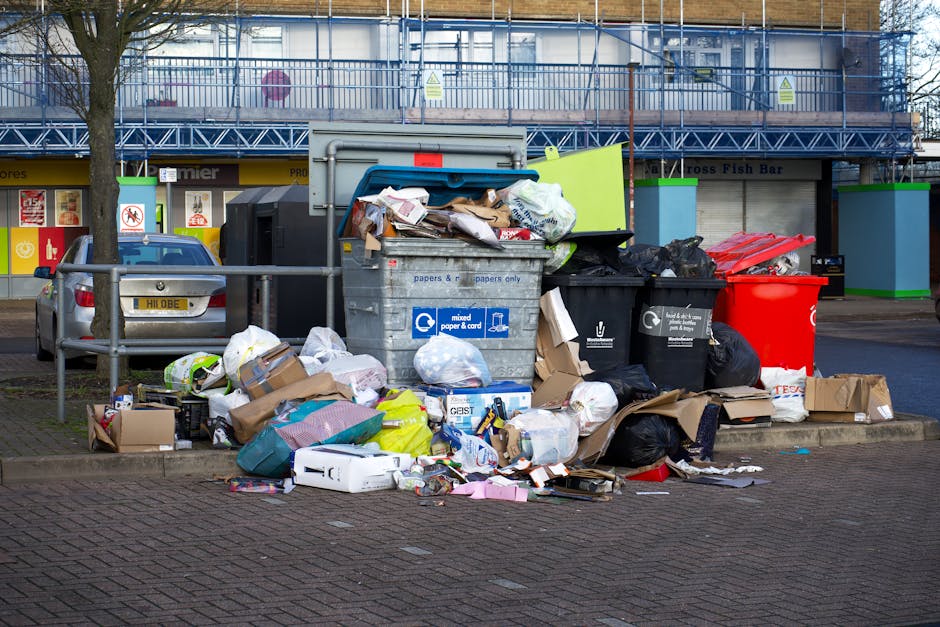
Bayswater station flat clearance and rubbish collection checklist
If you are dealing with a move, a tenancy change, or a proper clear-out near Bayswater station, the job can feel bigger than it looks. Bags pile up, bulky items get awkward fast, and suddenly you are juggling access, timing, sorting, and disposal all at once. This Bayswater station flat clearance and rubbish collection checklist is designed to make the whole thing calmer, faster, and far more manageable. It covers what to do, what to watch for, and how to avoid the usual last-minute scramble that so often turns a simple flat clearance into a stressful one.
Whether you are clearing a studio, a larger apartment, or just removing a few bulky items and mixed rubbish, a good plan saves time and reduces waste. It also helps you decide what can be reused, recycled, donated, or taken away as part of a broader flat clearance service or wider waste removal arrangement. Let's face it, nobody enjoys carrying a mattress down a narrow stairwell at 7.30 on a Tuesday morning.
Table of Contents
- Why Bayswater station flat clearance and rubbish collection checklist Matters
- How Bayswater station flat clearance and rubbish collection checklist Works
- Key Benefits and Practical Advantages
- Who This Is For and When It Makes Sense
- Step-by-Step Guidance
- Expert Tips for Better Results
- Common Mistakes to Avoid
- Tools, Resources and Recommendations
- Law, Compliance, Standards, or Best Practice
- Options, Methods, or Comparison Table
- Case Study or Real-World Example
- Practical Checklist
- Conclusion
- Frequently Asked Questions
Why Bayswater station flat clearance and rubbish collection checklist Matters
Flat clearance near Bayswater station has its own quirks. The streets are busy, parking can be tight, and access is not always friendly to large loads or quick one-trip jobs. Add stairs, shared hallways, lift bookings, and neighbours trying to get past with shopping bags, and the practical side becomes just as important as the clearing itself.
A checklist matters because it gives structure. Instead of reacting item by item, you can sort the flat into clear categories: keep, donate, recycle, dispose, and deal with separately. That sounds simple, but in real life it saves a huge amount of backtracking. One missed item can hold up a room, a tenancy handover, or even a whole collection slot.
It also reduces disposal mistakes. Some items need special handling, such as fridges, freezers, mattresses, and anything classed as hazardous. Others can often be separated for recycling or furniture disposal rather than being lumped in with general rubbish. That is better for the environment, and usually better for your wallet too.
There is another reason this matters: clarity. A clear plan makes it easier to compare services, understand what needs removing, and decide whether you need a simple rubbish collection, a full flat clearance, or a combination of both. If you are clearing a home after a move or bereavement, that certainty is worth a lot. Truth be told, it takes some pressure off the day.
How Bayswater station flat clearance and rubbish collection checklist Works
The idea is straightforward. You walk through the flat room by room, identify what is going, then group the items by disposal method. The checklist should work before collection day, not on it. That is where most people go wrong. If the van is already outside and you are still deciding what stays, the process gets slower and more expensive.
A practical flat clearance checklist usually follows this sequence:
- Walk through every room and note all unwanted items.
- Separate reusable belongings from genuine waste.
- Identify bulky items, electricals, and anything hazardous.
- Check access: stairs, lifts, parking, and entry codes.
- Bag loose rubbish and box smaller items together.
- Decide what needs specialist handling, such as appliance removal or mattress disposal.
- Book the appropriate collection or clearance service.
- Keep pathways clear so removal can happen safely and quickly.
In practice, a good checklist saves time because the team knows what to expect before arrival. A compact one-bedroom flat with a few bags of rubbish is a very different job from a three-storey clear-out with furniture, broken shelving, and a freezer that has been sitting unplugged for a while. The more accurate the prep, the smoother the collection.
If you want to understand the difference between a simple uplift and a broader clearance, it helps to look at home clearance and house clearance as related options. They are not identical, and the right choice depends on volume, access, and how much sorting you want done for you.
Key Benefits and Practical Advantages
The biggest benefit is obvious: you get your space back. But there are a few less obvious wins too.
- Less stress: a checklist reduces those "oh no, we forgot the loft cupboard" moments.
- Faster clearance: sorting in advance means less time spent making decisions on the day.
- Better recycling outcomes: separating items early makes reuse and recycling easier.
- Improved safety: fewer trip hazards, fewer heavy lifts, fewer awkward corners.
- Cleaner handover: ideal if you are moving out or preparing a flat for letting or sale.
- More accurate pricing: when items are listed clearly, quotes are usually more realistic.
There is also a more human benefit that people often underestimate: momentum. Once one room is organised, the rest feels possible. A cluttered flat can be emotionally draining, especially after a long move or a rushed life change. A clear checklist gives you progress you can actually see.
For mixed furniture and household items, you may also find that using a targeted service such as furniture clearance or furniture disposal is more efficient than bundling everything together. A sofa is not the same as a bag of old kitchen stuff, and treating them differently can pay off.
Who This Is For and When It Makes Sense
This checklist is useful for tenants, landlords, managing agents, homeowners, and anyone dealing with a flat near Bayswater station who needs rubbish collected without turning the day into a full-blown production. It is especially useful when the property has awkward access, shared hallways, or limited time between tenancies.
It makes sense if you are:
- moving out and need the flat emptied quickly
- preparing a rental property for new occupants
- clearing a flat after years of accumulated items
- removing old furniture, white goods, and general rubbish together
- dealing with mixed waste after refurbishment or repair work
- sorting through storage spaces, cupboards, or a loft area
A one-off job can look manageable until you start lifting. Then the weight of it becomes obvious. A couple of drawers and a small wardrobe may not sound like much, but by the time you have moved them out of a narrow landing, you feel every step. If that sounds familiar, you are not alone.
For larger jobs involving building material, packaging, or renovation debris, the situation shifts again. In that case, builders waste clearance may be more appropriate than general rubbish collection. The same goes for office stock or business premises, where business waste removal may be a better fit.
Step-by-Step Guidance
Here is the simplest way to handle the process without missing anything important.
1. Do a full room-by-room sweep
Start with the obvious items: broken furniture, old bedding, bags of rubbish, unused small appliances, boxes, and anything left in wardrobes or under beds. Then check the less obvious spots. People always forget the back of a cupboard or the top shelf in the hall. Always.
2. Separate what can be kept, donated, or recycled
Be honest here. If something is chipped, damaged, or missing parts, it may no longer be worth keeping. Still, not everything old is waste. Good-quality chairs, tables, and shelving can often be redirected through reuse or furniture disposal routes, which is usually better than sending everything to general waste.
3. Identify special items early
Some items need extra attention. Think fridges, freezers, mattresses, large sofas, and anything you would not want to mix with standard rubbish bags. These items may require specialist handling or separate collection. It is smarter to flag them early than to discover on collection day that they need different treatment.
4. Bag and label smaller rubbish
Loose rubbish slows everything down. Put general waste in sturdy bags, group similar items, and label boxes if the contents are not obvious. You do not need to overdo it. A simple "recycle", "keep", or "dispose" note is often enough.
5. Clear access paths and measure awkward items
Look at door widths, stair turns, lift size, and any basement or rear access. In Bayswater, access can be the whole story. If a wardrobe is too wide for a corridor, you need to know before removal day, not halfway down the stairs while everyone is trying to breathe through it.
6. Check what can go with the service
Not every collection accepts every item. A reliable checklist should include a quick check of items that need special handling. If you are unsure, it is better to ask in advance than guess. For example, some people use fridge and appliance removal for bulky white goods, while others need mattress and sofa disposal for large soft furnishings.
7. Book the collection and confirm the details
Before the team arrives, make sure the collection window, access arrangements, and item list are all clear. If there is a porter, a building manager, or a booking restriction for lifts or loading bays, mention that in advance. It sounds obvious, but it saves arguments later. And nobody wants those.
8. Do one final sweep before pickup
Check under sinks, in bathrooms, behind doors, and inside storage areas. It is surprising how often one small item delays the whole handover. A final sweep only takes a few minutes, but it catches the little things that get missed when you are tired and ready to be done.
Expert Tips for Better Results
In our experience, the best flat clearances in Bayswater are the ones where the job has been broken into neat, sensible parts. Nothing dramatic. Just calm prep and a bit of discipline.
- Start with the heaviest room first. If the lounge is full of bulky furniture, deal with that before you spend all your energy on small items.
- Photograph awkward items. This is useful if you are comparing quotes or checking whether something needs specialist handling.
- Keep the "maybe" pile small. The longer you hesitate, the more likely the clear-out stretches into another day.
- Use separate piles for soft furnishings and appliances. That makes the collection process much cleaner.
- Think about recycling before disposal. It is often the easiest route for cardboard, metal items, and some household materials.
- Work backwards from handover time. If the flat needs to be empty by Friday lunchtime, do not leave sorting until Thursday night.
A small but useful trick: keep a black bin bag for definite rubbish and a box for uncertain items. That little split helps stop the entire flat from becoming one giant "sort later" zone. It sounds minor, but it works. Really well, actually.
If your clear-out involves rooms beyond the main living space, you may also want to consider loft clearance or garage clearance if those spaces are part of the property. Those areas tend to hide the most forgotten clutter.
Common Mistakes to Avoid
Most problems come from rushing. That is the honest answer. Here are the mistakes we see most often.
- Leaving sorting until collection day. This slows everything down and increases stress.
- Mixing special items with general rubbish. Fridges, mattresses, and hazardous waste should not be treated the same way as bagged waste.
- Underestimating access issues. A flat near Bayswater station may have tight entrances or awkward stairwells that change the removal plan.
- Forgetting building rules. Some buildings need lift bookings, loading arrangements, or permission for removals.
- Not checking what is actually being left behind. This happens a lot during moves. A bedside table becomes "surprise storage".
- Assuming every item can go together. Not always true, and it can lead to delays.
The bigger mistake, though, is pretending the job is simpler than it is. A small flat can still produce a lot of waste. A few bags, two chairs, an old appliance, and a dismantled bed frame can add up fast. Better to plan for the real pile, not the imaginary tidy version.
Tools, Resources and Recommendations
You do not need specialist equipment for every clearance, but a few basic tools make the job smoother.
- Strong bin bags: for mixed rubbish and soft waste
- Marker pens and labels: for keep, recycle, and dispose piles
- Gloves: useful for dusty cupboards and awkward corners
- Tape measure: handy for bulky items and access checks
- Box cutters or screwdrivers: for dismantling simple furniture where safe to do so
- Phone camera: for item records, access photos, and quote checks
For many people, the best "resource" is actually a clear item list. Keep it on your phone. Add to it over a day or two rather than trying to remember everything in one sitting. That little bit of distance often helps you see what you really do not need anymore.
If you are comparing disposal routes, pricing and quotes can help you understand how the service is structured, while recycling and sustainability is useful if you want a more environmentally aware approach. For mixed skip-style jobs, it may also help to review what can go in a skip.
Law, Compliance, Standards, or Best Practice
For rubbish collection and flat clearance in the UK, the main principle is simple: waste should be handled responsibly and taken to a legitimate disposal or recycling route. You do not need to become a legal expert to do this well, but you do need to avoid careless disposal.
Best practice usually means the following:
- do not leave waste where it creates a hazard in common areas
- separate items that need special handling
- avoid fly-tipping or unknown disposal routes
- make sure any collection service explains how items are managed
- keep personal documents away from general rubbish where possible
If your flat clearance includes confidential paperwork, it is wise to isolate it rather than throwing it into a general waste pile. A dedicated approach such as confidential shredding is much safer for sensitive materials. And if you are unsure about hazardous items, hazardous waste disposal should be treated separately from ordinary rubbish.
Safety matters too. Heavy lifting, broken glass, sharp edges, and awkward furniture can all create avoidable injury risk. Good operators should have their own processes for this, which is why it is sensible to look at health and safety policy and insurance and safety information when choosing a provider. You may never need to read every word, but it is reassuring to know the basics are covered.
Options, Methods, or Comparison Table
There is more than one way to handle a Bayswater flat clearance. The right method depends on urgency, volume, and how much help you want on the day.
| Method | Best for | Pros | Trade-offs |
|---|---|---|---|
| Self-clearance | Small loads, tight budgets, flexible timing | Low direct cost, full control | Time-consuming, heavy lifting, disposal logistics |
| Mixed rubbish collection | Bagged waste and a few bulky items | Convenient, quicker than multiple trips | May not suit specialist items |
| Full flat clearance | Moves, tenancy ends, major decluttering | Most comprehensive, less disruption | Usually the widest scope of work |
| Specialist item removal | Mattresses, fridges, sofas, appliances | Proper handling for awkward items | May need separate booking or collection |
A lot of people end up using a blended approach. For example, they may clear general waste in one go, remove a sofa and mattress separately, and then deal with a final furniture run. That is perfectly normal. No need to make the process more dramatic than it needs to be.
Case Study or Real-World Example
Here is a realistic example from a typical Bayswater-style flat clear-out. A tenant is moving out of a second-floor apartment near the station. The flat has one old sofa, a small fridge, two broken dining chairs, several bags of mixed rubbish, a mattress, and a handful of kitchen items left in cupboards.
Before the collection, the tenant walks through each room and makes four piles: keep, donate, recycle, and dispose. The fridge is separated from the general waste, the mattress is moved into a clear corner, and the bags are tied and labelled. The hallway is measured because the sofa is a tight fit, and the lift booking is confirmed with the building manager the day before. Nothing fancy. Just careful prep.
On collection day, the team can move through the property quickly because the access route is already clear. There is no hunting through cupboards, no deciding what stays, and no awkward pause over a mystery box of cables. The result is a smooth handover and far less stress for the tenant. That is exactly how it should feel when done properly.
In a slightly different scenario, a landlord clearing a vacant flat might add furniture from other rooms and use the opportunity to refresh the whole space. In that case, a broader service like office clearance would not fit, but a combination of flat clearance and furniture disposal would. The point is to match the method to the actual pile, not the other way round.
Practical Checklist
Use this before collection day. It is simple on purpose.
- Walk through every room, cupboard, and storage area
- Decide what is staying and what is going
- Set aside reusable items for donation or reuse
- Separate furniture, appliances, and general rubbish
- Bag loose waste securely
- Label anything unclear
- Check for fridges, mattresses, sofas, and other specialist items
- Keep hazardous materials separate
- Clear hallways, entrances, and stair access
- Measure bulky items against doors and tight corners
- Confirm any building rules, lift bookings, or parking issues
- Take photos of awkward loads if needed
- Review the collection plan and timing
- Do a final sweep for hidden items
- Keep documents and personal items out of mixed waste
Expert summary: the best Bayswater station clearances are rarely the fastest to plan, but they are almost always the easiest to complete. Sort early, separate properly, and leave the access route clear.
Get a free quote today and see how much you can save.
Conclusion
A Bayswater station flat clearance and rubbish collection checklist is really about reducing friction. It helps you decide what goes, what stays, and what needs special handling before the van arrives and the clock starts ticking. That saves time, money, and a fair bit of energy.
More than that, it gives you a clearer head. A flat that feels too full can make everything else harder, from moving day to end-of-tenancy cleaning to simply enjoying your space again. Once the clutter is under control, the room changes. It breathes a bit. You notice the light, the floor, the quiet. Small thing, maybe. But it matters.
If you are ready to turn a messy clear-out into a straightforward plan, start with the checklist, separate your items sensibly, and choose the right disposal route for the job. A calm, tidy finish is closer than it looks.
Frequently Asked Questions
What should be included in a Bayswater flat clearance checklist?
A solid checklist should cover every room, storage area, and bulky item, plus access details such as stairs, lifts, and parking. It should also separate general rubbish from furniture, appliances, and anything hazardous or confidential.
How far in advance should I prepare for rubbish collection?
Ideally, start sorting a few days before collection. If the flat is very full or access is awkward, give yourself longer. The more you can prep in advance, the smoother the day will be.
Can I mix furniture and bagged rubbish together?
You can often book them together, but they should still be separated into sensible piles. That makes the load easier to handle and helps avoid confusion around items that need specialist disposal.
What items usually need special handling?
Fridges, freezers, mattresses, sofas, and hazardous materials are the most common examples. If in doubt, set them aside and check before the collection date rather than assuming they can go with ordinary waste.
Is flat clearance different from general rubbish removal?
Yes. Rubbish removal usually focuses on waste collection, while flat clearance is broader and may include furniture, household items, and sorting support. Many people use both ideas together, depending on the size of the job.
What if my flat has difficult access near Bayswater station?
Measure the route, check lift availability, and note any narrow hallways or stair turns. Access can affect speed, safety, and pricing, so it is better to flag it early. No drama, just practical planning.
Do I need to separate recyclable items myself?
It is helpful if you can, because it speeds up the process and supports better recycling outcomes. If you cannot separate everything in advance, at least keep obvious recyclables and reusable items apart from general waste.
What happens to confidential papers during a flat clearance?
Keep them separate from the rest of the rubbish and use a confidential shredding route if possible. That reduces the risk of personal information being thrown in with general waste.
How do I avoid extra delays on collection day?
Have everything bagged, labelled, and ready near the exit if it is safe to do so. Confirm access, lift use, and parking details in advance. A five-minute check can save a half-hour headache.
Can a flat clearance include appliances like fridges or washing machines?
Yes, but they often need separate handling. Appliance removal is best treated as its own category so it can be managed safely and in line with disposal requirements.
What is the best option for a small flat with only a few items?
For a small flat, a targeted rubbish collection or selective furniture removal is often enough. You do not always need a full clearance. The right choice depends on volume and what you are actually getting rid of.
How do I know if I need professional help rather than doing it myself?
If the items are heavy, bulky, numerous, or difficult to move through the building, professional help is usually worth it. It is also a better call when time is tight or when specialist disposal is involved. Sometimes the sensible choice is simply the easier one.