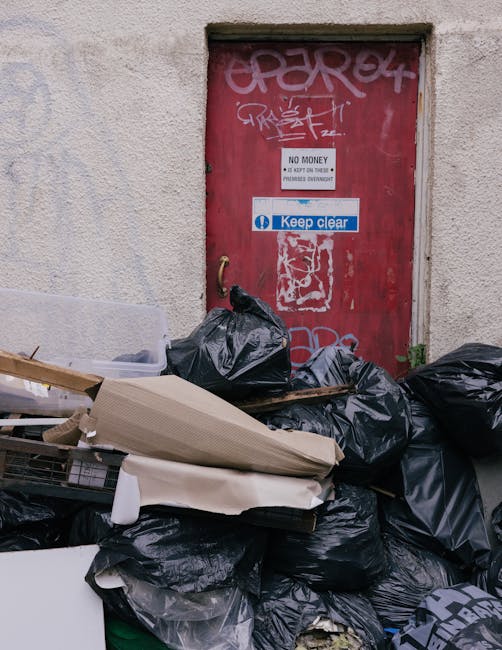
Avoid hidden rubbish removal fees in Bayswater

If you have ever booked a rubbish removal job and then felt that little sting when the final bill landed, you are not alone. Hidden charges can turn a simple clear-out into an expensive headache, especially when you are trying to get a flat, loft, garage, or office cleared quickly in Bayswater. The good news? Most surprise fees are avoidable if you know what to ask, what to check, and where the pricing traps usually hide.
This guide explains how to avoid hidden rubbish removal fees in Bayswater in plain English. You will learn what fair pricing looks like, which extras are worth questioning, how to compare quotes properly, and how to spot vague wording before it costs you. A bit of prep goes a long way here. Truth be told, the cheapest quote on paper is not always the cheapest job in real life.
Why avoiding hidden rubbish removal fees in Bayswater matters
Hidden rubbish removal fees matter for three very simple reasons: budget, trust, and timing. If you are clearing items from a Bayswater home or business, you probably already have enough to manage without a moving target on price. Unexpected surcharges can make a tidy plan messy fast.
In our experience, the most frustrating part is not even the amount. It is the feeling that the quote was incomplete from the start. A customer thinks they are paying for one thing, then hears about stair fees, heavy-item charges, parking complications, or disposal additions after the van has already arrived. That is not a great moment for anyone.
Bayswater also has its own practical quirks. Streets can be busy, parking can be tight, and access to mews properties, basement flats, or converted buildings may take a bit of thought. If a company does not ask the right questions upfront, they may either underquote or add fees later. Neither helps you.
Getting clear on pricing is not just about saving money. It helps you choose the right service, prepare your property properly, and avoid delays on the day. If you are comparing waste removal options, it is worth looking at the provider's pricing and quote process before anything else. That single page can tell you a lot about how transparent the business is.
Expert summary: the safest way to avoid hidden fees is to insist on an itemised quote, describe the waste honestly, ask what is excluded, and confirm any access or loading charges before the job is booked.
How rubbish removal pricing usually works
Most rubbish removal companies price jobs using a mix of volume, labour, item type, access, and disposal cost. That sounds technical, but it is actually straightforward once you unpack it.
Here is the basic logic:
- Volume: how much space your waste takes in the truck or van.
- Weight: especially relevant for dense materials like rubble, soil, or wet garden waste.
- Labour: whether items need to be carried from upstairs, down narrow stairs, or through a long walk from the property.
- Item type: bulky furniture, appliances, mattresses, or restricted materials may cost differently.
- Access: tight parking, permits, stairs, or awkward entrances can change the workload.
- Disposal route: some waste streams are more costly to process than others.
This is why two jobs that look similar at first glance can end up priced differently. A tidy pile of cardboard and a broken wardrobe on the third floor are not the same job, even if they both "fit in the van."
Good providers should explain how they calculate the charge and what might change it. If they only offer a one-line price with no detail, ask for more. That is especially sensible if your clearance includes mixed waste, a few awkward items, or anything that needs specialist handling such as appliance removal or hazardous waste. You can also review their waste removal service to understand what sorts of jobs they handle.
One more thing: quotes should be based on the actual job, not hopeful guesswork. If the provider says they need photos, measurements, or a quick call to confirm access, that is usually a good sign. It means they are trying to get the price right rather than patch it up later.
Key benefits and practical advantages
When you take a careful approach to rubbish removal pricing, you get more than a lower bill. You get control. That matters a lot when you are dealing with the stress of clearing space.
- Fewer surprises: you know what the job will cost before anyone lifts a thing.
- Better comparisons: you can judge quotes on the same terms, not just the headline number.
- Smoother collections: the crew turns up expecting the right access, waste type, and workload.
- Less back-and-forth: no awkward pricing discussions while a van is sitting outside.
- More confidence: you can book a service knowing what is included and what is not.
There is also a practical side people sometimes miss. Clear pricing often reflects organised operations. Companies that explain charges clearly are usually better at describing collection windows, payment terms, and disposal expectations too. If you are dealing with furniture, for example, it helps to check whether the provider covers furniture disposal or broader furniture clearance, because those are not always treated the same way.
That distinction matters for flats in Bayswater where someone might only want a sofa taken away, or they might be clearing a whole room after redecorating. The more specific the service, the better the quote tends to be. Simple as that.
Who this is for and when it makes sense
This advice is useful for almost anyone arranging a clearance, but it is especially relevant if you are:
- moving out of a flat and need a fast, tidy collection;
- clearing old furniture, white goods, or mixed household rubbish;
- preparing a property for sale or letting;
- dealing with loft, garage, or garden overflow;
- running a small office or business and trying to keep costs predictable;
- managing post-refurbishment debris or builders' waste;
- booking a one-off clearance and do not want a long-term contract.
It also makes sense whenever the waste is a bit awkward. A small pile of rubbish in a driveway is one thing. A first-floor flat with a broken wardrobe, a mattress, a fridge, and a narrow staircase is another entirely. If any part of the job feels slightly unusual, that is your cue to ask more detailed pricing questions.
For homeowners and landlords, this is about avoiding a budget blowout at the end of a tenancy or renovation. For businesses, it is about keeping records clean and costs easy to justify. If your clear-out involves documents or confidential material, you may also want to look at confidential shredding as part of the overall job.
And yes, if you are the kind of person who likes to line everything up neatly before a collection, fair play. That small bit of organisation can save real money.
Step-by-step guidance
Here is a practical way to avoid hidden rubbish removal fees in Bayswater without overcomplicating it.
- List exactly what needs removing. Write down the items, estimate quantities, and separate regular waste from specialist items like appliances, mattresses, or rubble.
- Check access honestly. Note stairs, lifts, parking restrictions, long carry distances, and any need for permit-controlled stopping.
- Ask for an itemised quote. A proper quote should show what is included, how the price is calculated, and which extras could apply.
- Confirm the waste type. Mixed household waste, builders' waste, garden waste, and electrical items may all be handled differently.
- Ask what happens on arrival. Will the crew re-quote if the load is bigger than described? If so, how is that adjusted?
- Check payment terms early. Make sure you know when payment is taken, what methods are accepted, and whether any fees apply to card processing or late changes. Their payment and security information should make that clearer.
- Read the terms that affect price. Things like waiting time, cancellation, restricted access, or prohibited materials may affect the final cost. The terms and conditions are worth a careful read, even if it is not the most thrilling task of the day.
- Prepare the items before the crew arrives. Keep the waste together, separate what is staying, and clear a path where possible.
If you want to reduce the chance of extra charges, take photos before booking. A few honest pictures of the pile, the entrance, and the stairs can save a lot of confusion later. It is one of those tiny jobs that pays back immediately.
Expert tips for better results
When you have seen enough clearance jobs, you start to notice the same patterns. The people who avoid hidden fees tend to do a few things consistently.
1. Be precise, not vague. Saying "a bit of rubbish" is not useful. Saying "two double mattresses, one wardrobe, and seven black bags" is. The more exact your description, the better the quote.
2. Ask the awkward question. What extra charges could apply? You do not need to be difficult. You are simply preventing misunderstandings. A reputable company will not mind.
3. Separate special items early. Fridges, freezers, microwaves, and other electrical items can need different handling. If your job includes appliances, check the details on fridge and appliance removal before you book.
4. Don't assume all waste is equal. A soft sofa, a wet garden pile, and clean cardboard do not cost the same to process. That is just the reality of disposal. If you have bulky seating, have a look at mattress and sofa disposal too, because large items can affect the job structure.
5. Keep the site as accessible as possible. If you can move items closer to the entrance safely, do it. Less carrying time usually means less labour.
6. Think about the full job, not just collection. If you are clearing a loft, garden, or garage, the access and sort-out stage often matters more than the pile itself. The relevant service page, such as loft clearance or garage clearance, may help you understand what the provider expects.
One slightly old-school but effective tip: keep a note of who said what and when. A short email or message confirming the agreed scope can prevent "we didn't discuss that" conversations later. Not glamorous, but useful.
Common mistakes to avoid
A lot of fee surprises come from simple mistakes rather than bad intent. Here are the ones that crop up most often.
- Booking on price alone. The cheapest headline number may exclude access, stairs, or disposal costs.
- Hiding awkward items. If you leave a fridge, mattress, or heavy waste out of the description, the quote may not hold.
- Ignoring parking and access. In Bayswater, this one is a classic. A provider may need to stop farther away than expected, and that can affect labour time.
- Assuming "all rubbish" means everything. Hazardous or restricted materials often need separate handling. Review hazardous waste disposal guidance if there is any doubt.
- Not checking cancellation terms. If your plans change, fees can appear there instead.
- Failing to ask how the quote is built. If nobody explains volume, weight, and labour clearly, you may not be comparing like with like.
A smaller but important mistake: forgetting about recycling or sorting requirements. Some companies structure pricing around what can be recycled, reused, or separately processed. If sustainability matters to you, take a look at recycling and sustainability so you know what the company values, not just what it collects.
And one more. Do not leave everything until the morning of the booking. That is how rushed decisions get made. Rushed decisions, usually, cost more. Funny how that works.
Tools, resources and recommendations
You do not need fancy software to avoid hidden rubbish removal fees in Bayswater. Just a few simple tools and habits can make a big difference.
- Phone camera: take clear photos of the waste and access points.
- Notebook or notes app: record what was agreed, including any exclusions.
- Tape measure: helpful for bulky furniture, wardrobes, and appliance clearances.
- Basic checklist: separate items by category before you request a quote.
- Payment confirmation: keep a record of the agreed price and payment method.
It also helps to review a provider's service pages so you know whether your job fits the category. For instance, if you are clearing a property rather than a single item, pages like house clearance, home clearance, or flat clearance can give you a clearer idea of scope. If the job is business-related, business waste removal may be the better fit.
For service trust signals, I would also read the company's about us page and their insurance and safety information. Neither page tells you the final price, of course, but both can tell you a lot about how carefully the company operates.
Law, compliance, standards and best practice
Pricing transparency is the main issue here, but compliance still matters. In the UK, waste must be handled responsibly, and any legitimate waste carrier should be able to explain how waste is collected, sorted, and disposed of. You do not need to be an expert in the paperwork, but you should expect a professional approach.
Good practice usually includes:
- clear written quotes;
- honest waste descriptions;
- separate handling for restricted or specialist items;
- safe loading and removal methods;
- proper disposal routes for different waste streams;
- transparent terms around charges and cancellations.
If a company is unclear about what they can and cannot take, that is a warning sign. If they are vague about payment, safety, or complaint handling, that is another. The supporting pages on complaints procedure and health and safety policy can also help you judge how seriously a business treats customer care and safe working.
One practical note: if your clearance includes regulated materials or you suspect there may be anything hazardous, do not guess. Ask first. It is always better to clarify than to find out later that the job needed separate handling.
Options, methods and comparison table
There are a few ways people usually deal with rubbish removal in Bayswater. Each has different cost and effort implications, so it helps to compare them properly instead of assuming one route is always best.
| Option | Best for | Potential cost risks | Hidden-fee risk level |
|---|---|---|---|
| Pre-booked rubbish removal | Small to medium clearances with clear item lists | Access fees, extra labour, special item charges | Low to medium, if the quote is clear |
| Skip hire | Longer jobs, ongoing clear-outs, builders' waste | Permit needs, overfilling, prohibited items | Medium, especially if you are unsure what can go in it |
| One-off van collection | Fast domestic or business clearances | Unclear load limits, waiting time, mixed waste surcharges | Medium to high if pricing is vague |
| Self-loading and disposal | Very small jobs and people with time and transport | Fuel, disposal charges, time, access to disposal sites | Low fee risk, but higher effort and time cost |
For some jobs, skip hire may work well, but you need to understand what is allowed before you book. The page on what can go in a skip is a good reminder that not every item belongs in the same container. Builders' waste, soil, or mixed household rubbish can all have different implications.
If the job involves renovation debris, the dedicated builders' waste clearance service may be more suitable than treating it like standard household rubbish. That distinction can save money and prevent last-minute adjustments. Honestly, a lot of hidden fees start with choosing the wrong type of service in the first place.
Case study or real-world example
Picture this: a Bayswater resident in a third-floor flat is clearing out after a tenancy ends. There is a small sofa, a broken bedside table, two bags of mixed rubbish, and an old fridge in the kitchen. The first quote they receive is attractive, but it only covers "general waste" and assumes easy ground-floor access.
On the day, the crew realises there are three narrow flights of stairs, the fridge needs separate handling, and the sofa is bulkier than expected. Suddenly the price changes. The resident is frustrated, and the job takes longer because nobody planned for access or item type.
Now imagine the same job handled properly. The resident sends photos, mentions the stairs, confirms the fridge in advance, and checks whether the sofa is included in the agreed price. The quote is a little higher upfront, but it is realistic. No argument at the kerb. No awkward surprise. Just a clear job and a clear finish.
That is the whole point, really. A well-scoped quote may not always be the absolute cheapest on paper, but it is often the best value by the end of the day. You sleep better, and so does the person doing the lifting.
Practical checklist
Use this checklist before you confirm your booking.
- Have I listed every item that needs removing?
- Have I mentioned stairs, parking, lifts, and access restrictions?
- Do I know whether the price includes labour, disposal, and collection?
- Have I asked about extra charges for heavy, bulky, or specialist items?
- Do I understand the payment method and timing?
- Have I checked the terms for cancellations or changed bookings?
- Do I know whether any item needs separate handling?
- Have I compared at least two quotes on the same basis?
- Have I read the relevant service information for my type of clearance?
- Have I kept a written record of what was agreed?
If you can tick most of those off, you are already ahead of many people who book in a hurry. Small effort, big difference.
Conclusion
Avoiding hidden rubbish removal fees in Bayswater is mostly about clarity, honesty, and asking the right questions before the van arrives. That is the short version. The longer version is that a good quote should feel specific, fair, and easy to understand, even if the job itself is a bit messy.
Start by describing the waste properly, checking access, and confirming what is included. Then review the relevant service pages, terms, and pricing details so you know exactly what you are buying. Whether you are clearing a flat, a loft, a garden, or a business space, that extra bit of care protects your budget and keeps the process smooth.
If you are trying to keep the whole thing straightforward, the best habit is simple: do not assume. Ask. A decent provider will respect that, and you will probably save yourself a headache later. Which, let's face it, is worth quite a lot.
Get a free quote today and see how much you can save.
And when the last bag is gone and the room feels lighter, that quiet relief is often the nicest part.
Frequently Asked Questions
How do I avoid hidden rubbish removal fees in Bayswater?
Ask for an itemised quote, describe the waste clearly, confirm access issues, and check what is excluded. The more specific you are, the less room there is for surprise charges.
What are the most common hidden charges in rubbish removal?
Typical extras include stairs, long carry distances, parking difficulties, heavy items, appliance handling, waiting time, and disposal of restricted waste. Not every provider charges for the same things, so ask upfront.
Is the cheapest quote usually the best choice?
Not always. The lowest headline price can leave out labour, access, or disposal costs. A slightly higher but transparent quote is often better value overall.
Should I send photos before booking a collection?
Yes, if possible. Photos help the provider judge volume, access, and item type more accurately. That usually means a more reliable quote.
Do stairs always cost extra?
Not always, but stairs often affect labour and time. Some companies include them in the base price, while others charge extra. It depends on the job and the provider.
How can I tell if a quote is vague?
If it only gives one number with no explanation of what is included, that is vague. A good quote should explain the load, labour, disposal, and any possible extras.
Can mixed household waste cost more than furniture clearance?
Yes, it can. Mixed waste may need sorting and different disposal routes, while a straightforward furniture clearance is easier to price. The waste mix matters quite a lot.
What should I do if the crew changes the price on arrival?
Ask them to explain exactly why the price changed and compare it with the original description you gave. If the change is due to new information you did not provide, that is one thing. If not, challenge it politely.
Are appliances like fridges and freezers treated differently?
Often, yes. Electrical and appliance items can need separate handling. Check the provider's appliance removal information before you book so there are no misunderstandings.
Does waste type affect the final price?
Absolutely. Builders' waste, garden waste, bulky furniture, and hazardous materials can all be priced differently. Waste type is one of the biggest drivers of cost.
What paperwork should I keep?
Keep your quote, booking confirmation, payment record, and any message that confirms what is included. That way, if there is a disagreement, you have something to refer back to.
When does it make sense to choose a specialist clearance service?
If the job involves a full flat, a loft, a garage, business waste, or awkward items, a specialist service usually makes pricing and logistics clearer. It can also reduce the chance of last-minute add-ons.